
Analysis & Research
Financial modelling, valuation, financial statement analysis and equity research.
Explore learning areaFinancial Operations Masterclass One integrated programme
Centaur Careers' Financial Operations Masterclass (6 weeks) brings together financial modelling, equity research, investment banking operations, banking, compliance, payments and FinTech in one programme for graduates and job switchers. Live online learning is available across India; the published in-person option is in Lucknow.
Eligibility: Graduates from any discipline and job switchers.
Published fees: Live online ₹35,000; Lucknow classroom ₹50,000. Check fees and eligibility.
Ask about your fit, current fees, schedule and written terms.
The 100% Placement Guarantee has eligibility and completion conditions. View learner outcomes · Read placement terms.
Your program: Financial Operations Masterclass.
Confirm the current cohort schedule, total payable amount and fee validity with the team before enrolling.
The programme, in one view
Centaur Careers offers one Financial Operations Masterclass (6 weeks) for graduates and job switchers. Its investment banking and finance curriculum covers financial modelling and valuation, equity research, investment banking operations, retail banking, KYC and AML, digital payments, finance operations, and FinTech. Live online learning is available across India; the published in-person option is in Lucknow.
These are learning areas within one programme, not separately priced courses or standalone qualifications. The course does not promise a particular investment banking role, employer, city or salary. Explore financial modelling and valuation, equity research, or review all eight areas in the syllabus.
One integrated programme for multiple entry-level finance career paths across analysis and research, investment banking operations, banking and compliance, payments and FinTech. Explore the career families below, then choose the subjects you want to investigate. No previous finance background is required for the published programme entry rule.
Comparing finance course access from Bengaluru? Read the Bengaluru finance course and career guide for local market context and the published online-access boundary.
One programme, multiple career paths
Follow the work that interests you across four career families. These are connected learning areas in the same programme; the written agreement defines the qualifying jobs covered by the placement guarantee.
Financial modelling, valuation, financial statement analysis and equity research.
Explore learning areaTrade lifecycle, settlement, reconciliation, corporate actions and fund accounting.
Explore learning areaRetail banking, customer relationships, KYC, AML and credit workflows.
Explore learning areaDigital payments, finance operations, loan processing and digital-finance workflows.
Explore learning areaThe full programme has eight learning areas. Compare the complete published syllabus and its evidence limits.
Explore finance roles
These guides explain different job profiles and the related learning areas. Course completion and placement support do not guarantee a specific title.
Trace trade, settlement and control work.
Explore this pathExplore company analysis and a research thesis.
Explore this pathUnderstand NAV inputs and fund record checks.
Explore this pathReview event notices, entitlements and deadlines.
Explore this pathCompare borrower information and credit risk work.
Explore this pathStudy onboarding evidence and case review.
Explore this pathEight connected learning areas
Start with the subjects that match your interests. Open any card for its published topics, then follow its module guide for more detail.
Showing 8 learning areas
Analyst skill
Study financial statement analysis, forecasting, model assumptions and company valuation as part of the Financial Operations Masterclass.
Topics in this learning area
Analyst skill
Study company analysis, industry context, financial performance and investment research communication within the Financial Operations Masterclass.
Topics in this learning area
Operations module
Trade Settlements, Reconciliation, Corporate Actions, Fund Accounting
Topics in this learning area
Operations module
Relationship Manager, Branch Ops, Loan Officer, NRI Banking
Topics in this learning area
Operations module
Due Diligence, Transaction Monitoring, SAR Filing, Regulatory Reporting
Topics in this learning area
Operations module
SWIFT, RTGS, UPI/IMPS Ops, Payment Disputes, Wallet Reconciliations
Topics in this learning area
Operations module
NBFC, Loan Processing, Credit Analysis, Risk Management
Topics in this learning area
Operations module
Digital Lending, Product Ops, Compliance Analyst, Customer Success
Topics in this learning area
An example learning path
Move through a practical planning example from basic records to a short case explanation. Select a week to inspect its focus and a possible practice activity.
Banking and finance vocabulary, records, roles and controls.
Sketch a process from its first event to its final record.
A simple process map with the checks you would ask about.
Banking and finance vocabulary, records, roles and controls.
Sketch a process from its first event to its final record.
A simple process map with the checks you would ask about.
This is an optional self-study planning example based on published topics, not a cohort timetable or a promise that each subject occupies one week. The current schedule, weekly hours, assessments and placement of financial modelling, valuation and equity research should be confirmed with the team. Read the full syllabus guide
See the work
Explore fictional company, trade and customer records across different finance tasks. These are public practice materials; confirm the assessed projects and trainer feedback for your cohort before enrolling.
How do the growth, margin and valuation assumptions affect your conclusion, and what evidence is still missing?
Fictional learning example · Not a live transaction or customer record
Build something you can explain
Start with these public self-study briefs, sample answers and scoring guides. For trainer assessment, feedback and inclusion in your cohort, confirm the current project plan with admissions.
01 / Analysis and research
Your output: An assumptions sheet, valuation sensitivity and short company research note.
Fictional case: A fictional company reports revenue of INR 100 crore and a 12% operating margin. Forecast 10% revenue growth with the same margin. Compare enterprise values at illustrative multiples of 8 and 10 times forecast operating profit. No cash-flow statement or peer evidence is supplied.
Sample review: Revenue: INR 110 crore. Operating profit: INR 13.2 crore. Illustrative enterprise values: INR 105.6 crore and INR 132 crore. These are invented multiples, not a market valuation or investment recommendation.
Self-review rubric: Calculation accuracy 40; assumptions and sensitivity 25; research evidence and limitations 20; written explanation 15. Total: 100.
AI verification: If you use AI for a draft, independently recalculate every figure and remove invented peer multiples, sources and recommendations. Retain your changes.
02 / KYC, credit and controls
Your output: A document-review checklist and an evidence-based escalation note.
Fictional case: In a fictional business onboarding file, the application names Signatory Role C while the submitted mandate names Signatory Role D. A credit request has no supporting cash-flow statement. No authorised resolution or credit approval has been provided.
Sample review: The signatory conflict remains unresolved. Request an authorised mandate clarification and the missing financial evidence. Do not approve onboarding or credit, classify a customer as suspicious, or treat an AI draft as a decision.
Self-review rubric: Evidence and completeness 35; conflict identification 25; escalation and authority 25; written handoff 15. Total: 100.
AI verification: Use only synthetic records. Check any draft against each source; remove unsupported risk labels, compliance conclusions and approval language.
03 / Reconciliation, Excel and MIS
Your output: A reconciliation sheet, exception register and supervisor update.
Fictional case: Two fictional payment records contain these reference/amount pairs (INR): gateway P101/1000, P102/2500, P103/900; ledger P101/1000, P102/2000, P104/700. These are separate comparison records, not instructions to post an adjustment.
Sample review: P101 matches. P102 has an INR 500 amount difference; P103 appears only in the gateway and P104 only in the ledger. Totals are INR 4400 and INR 3700: a net INR 700 difference with three exceptions. Preserve the originals and escalate; do not net away or silently adjust the breaks.
Self-review rubric: Matching and completeness 35; exception evidence 30; control judgement 20; MIS and communication 15. Total: 100.
AI verification: Verify AI-generated formulas against a manual match and control totals. An AI explanation must not invent a settlement status or resolve an unverified break.
Use synthetic records, preserve your calculations and explain your own decisions. These exercises do not create a separate qualification or guarantee a job title.
Source material
See the listed learning areas, practical learning description and questions to confirm before joining a cohort.
Learning modes and fees
The same Financial Operations Masterclass has a live online option across India and a published in-person option in Lucknow. Confirm availability and the current schedule for your cohort.
Live online sessions for learners across India
In-person sessions at Mindsprout Career Hub in Lucknow
Centaur Careers lists an in-person learning option at Mindsprout Career Hub in Alambagh, Lucknow. Confirm the address, cohort schedule, and availability with the team before travelling. Confirm the total payable amount, taxes, inclusions and fee validity before paying.
Compare your available time, study format, full cost and written support terms with the role you want to explore.
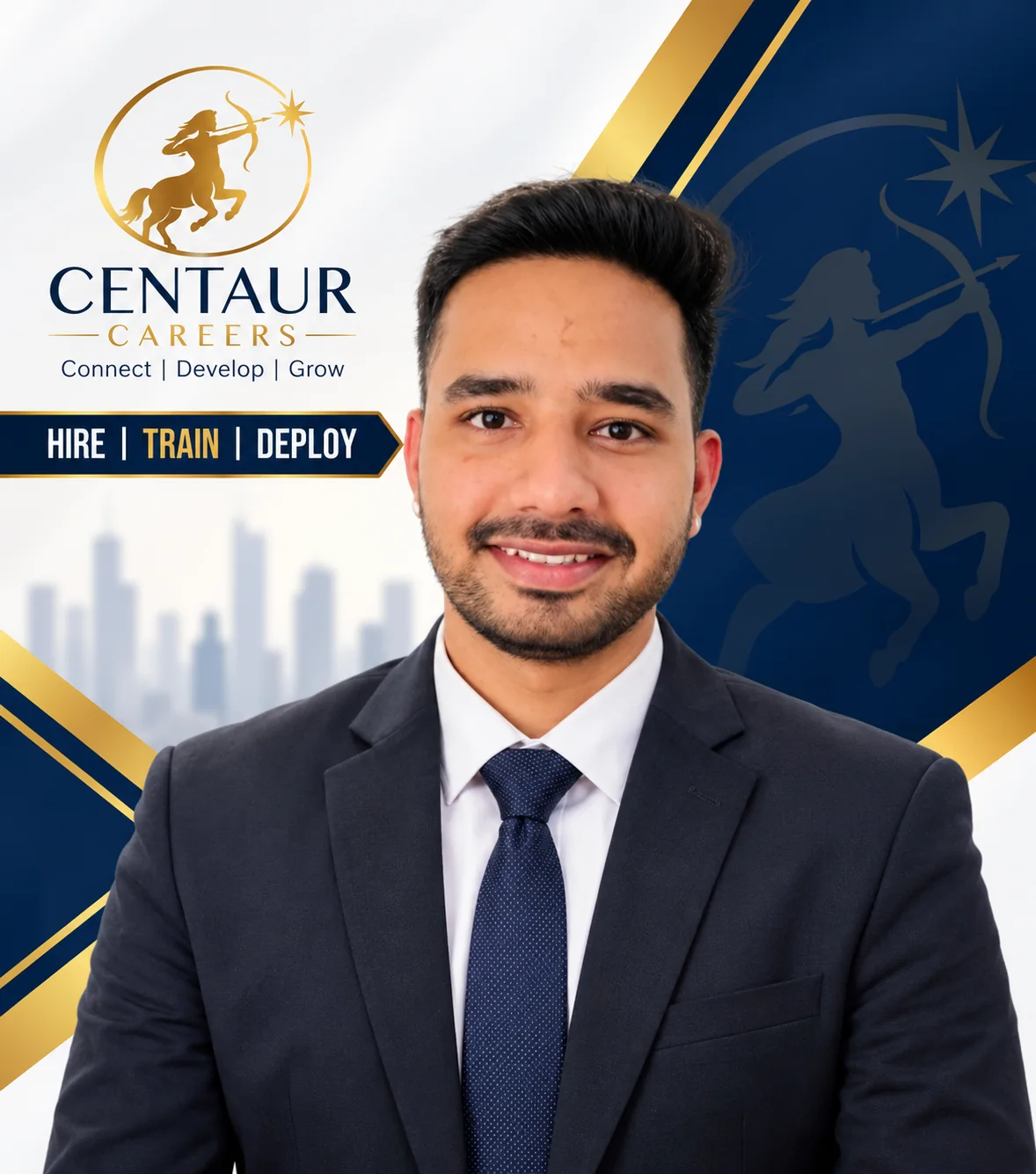
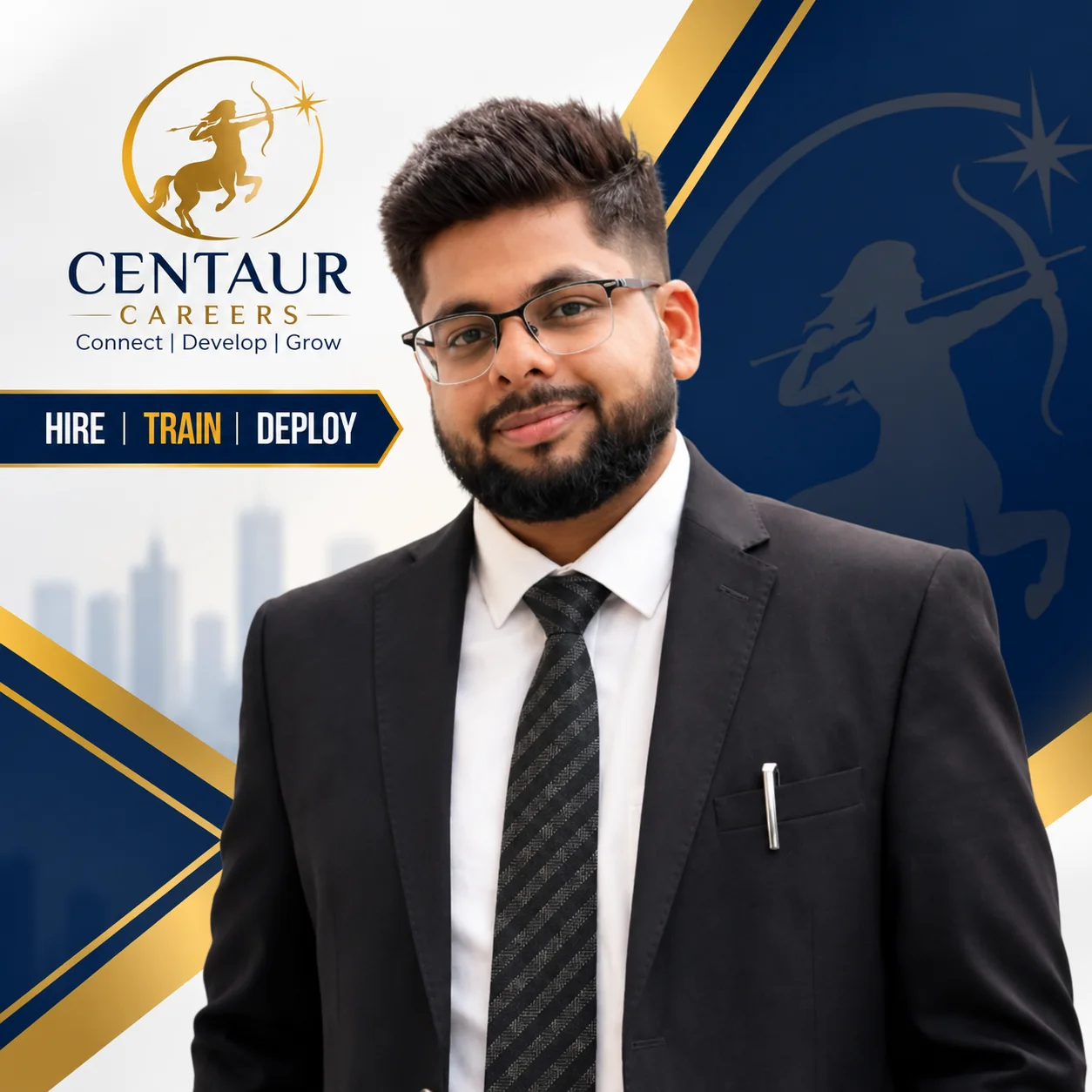
See the people behind the programme
Explore consent-backed learner examples across fund services, compliance and banking. The displayed roles and employers were confirmed by Centaur; they do not establish a cohort-wide placement rate.

After the learning
Complete the full programme and follow the participation requirements in your student agreement. The published 100% Placement Guarantee applies to eligible graduates and job switchers; it does not promise a particular employer, title, city or salary.
Read the published guarantee termsComplete the Masterclass and required practical work under the current agreement.
Eligible learners receive six months of placement support after completion.
If no qualifying finance job is received, they may claim a full fee refund, limited to the programme fee actually paid, subject to the written terms and claim window.
The published programme describes a Centaur Careers Course Completion Certificate. Confirm its current wording and completion requirements with the team.
Admissions shares your personalised agreement for review and signing before payment. Keep your signed copy with your fee receipt.
Clear answers
For cohort-specific details, request the current timetable, full fee quote, certificate conditions and student agreement.
Read all programme FAQsGraduation is the entry requirement. The program is open to graduates and job switchers from any academic background across India; previous finance education or experience is not required. Confirm the current cohort requirements with Centaur Careers.
Yes. The guarantee applies to eligible learners who complete the full Masterclass. Read the eligibility, support period and refund terms.
The public program information describes a live online option for learners across India and an in-person option at Mindsprout Career Hub in Lucknow. Ask the team to confirm the current cohort schedule, fees, facilities, included activities, and whether the curriculum or support differs by mode.
Contact Centaur Careers to request the current cohort schedule, fees, learning-mode details, and certificate wording before enrolling.
Confirm the current cohort, learning mode, total fee and written support terms with the team.


